
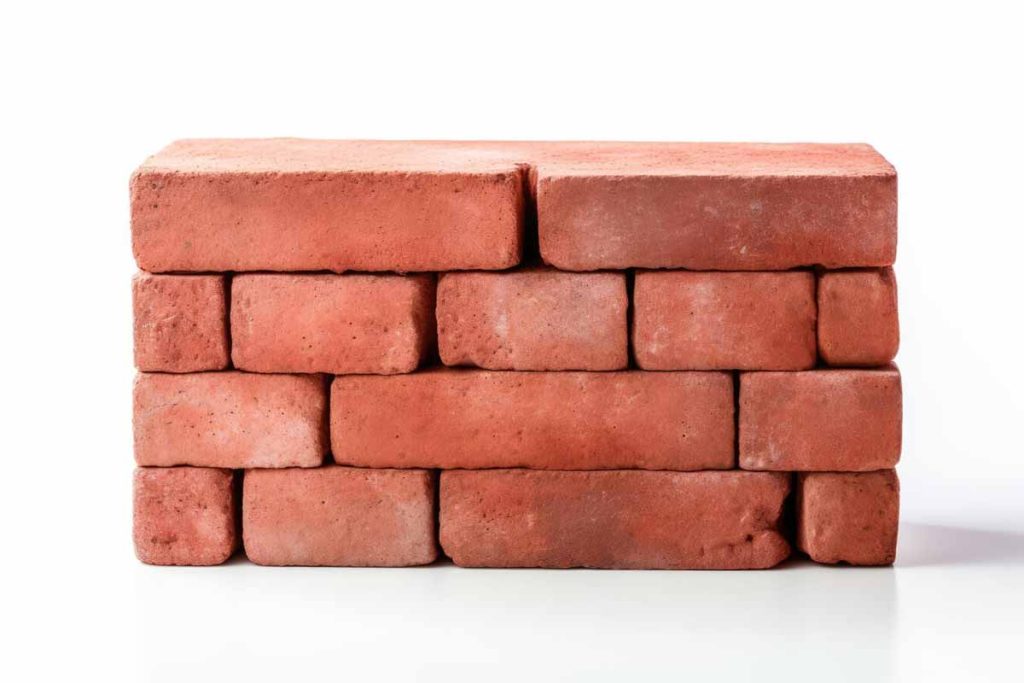
Bricks are building blocks that have a rectangular shape and are manufactured using materials like clay, sand, lime, concrete, and other substances. They are baked or fired at high temperatures to create a durable, strong, and versatile construction material. Bricks have a rich history and have been used for thousands of years, and are still widely used today for various building projects. They are available in different sizes, colors, and textures, and can be applied in different ways, including walls, floors, and pavements.
Some common types of bricks include:
- Clay bricks: Made from clay and fired in a kiln, clay bricks are the most common type of brick used in construction.
- Concrete bricks: Made from cement, sand, and water, concrete bricks are popular for their strength and durability.
- Sand-lime bricks: Made from sand, lime, and water, these bricks are lighter and less porous than traditional clay bricks.
- Fly ash bricks: Made from fly ash, a byproduct of coal combustion, these bricks are lightweight and environmentally friendly.
- Fire bricks: Made from refractory ceramic materials, these bricks can withstand high temperatures and are commonly used in fireplaces, ovens, and kilns.
Brick making units are businesses that specialize in producing bricks for construction purposes. These units typically operate on a small scale and are situated near the source of raw materials like clay and sand. They produce different types of bricks, including solid, hollow, perforated, and interlocking bricks, which can be used in various construction applications, such as building walls, paving, and landscaping.
The process of brick making involves mixing raw materials, molding the mixture into the desired shape, drying the bricks, and firing them in a kiln. This process requires skilled labor, specialized machinery, and reliable access to raw materials.
While brick making units can be profitable businesses, they require significant upfront investment in terms of land, machinery, and labor. Additionally, brick making units must comply with local regulations and environmental standards to operate legally. Factors to consider when starting a brick making unit include the availability of raw materials, the market demand for bricks, the cost of production, and competition from other brick manufacturers in the area. Conducting thorough market research and developing a detailed business plan can help ensure the success of a brick making unit.